
Many skilled workers in Australia have years of hands on experience but no formal qualification to prove their abilities. This creates challenges when applying for jobs, seeking promotions, or meeting licensing requirements in regulated industries.
This is where RPL information becomes important. Recognition of Prior Learning, commonly known as RPL, is a system that allows individuals to convert their existing skills and workplace experience into Nationally Recognised qualifications without completing traditional study.
In Australia, the vocational education system is designed to recognise real world skills. According to national workforce data, a significant portion of workers in industries such as aged care, construction, and community services gain skills informally through employment rather than formal education.
This guide will explain everything you need to know about RPL information, including how it works, eligibility requirements, evidence, benefits, and how to apply for a qualification in Australia.
What Is RPL?
Recognition of Prior Learning, or RPL, is an assessment process that evaluates your existing skills, knowledge, and work experience to determine if you meet the requirements of a Nationally Recognised qualification.
Instead of studying again, your experience is assessed against vocational education standards.
In Australia, RPL is part of the national training framework regulated by registered training organisations. It ensures that people with real experience can receive recognition without repeating learning they already have.
This makes RPL information essential for skilled workers who want faster career progression.
Why RPL Exists in Australia?
Australia has a strong vocational education and training system designed to support workforce development.
However, many workers gain skills through on the job experience rather than formal education. This is especially common in industries like aged care, construction, hospitality, and community services.
RPL exists to bridge this gap between experience and formal qualification.
According to Australian workforce reports, industries such as aged care are expected to need more than 200,000 additional workers over the next decade due to population ageing. This increasing demand makes recognition of prior learning explanation even more important for workforce development.

How RPL Works in Australia?
Understanding how RPL works in Australia is a key part of RPL information.
The process is designed to be simple and structured while ensuring national standards are maintained.
It typically begins with a free skills assessment where your experience is reviewed to determine eligibility for a qualification.
Once eligible, you move into evidence collection. This includes documents that prove your skills and work history.
Your evidence is then assessed by a registered training organisation against National Competency Standards.
If you meet the requirements, you are awarded a Nationally Recognised qualification.
This entire process is part of the official RPL pathway Australia system.
RPL Eligibility Requirements
Not everyone automatically qualifies for RPL. Eligibility depends on your level of experience and the relevance of your skills.
You may be eligible if you have:
- Work experience in a relevant industry
- Practical knowledge of job tasks
- Ability to provide supporting evidence
- On the job training or informal learning experience
Many candidates come from industries such as aged care, construction, electrical work, and community services.
RPL for skilled workers information shows that experience is often more important than formal education in the assessment process.
RPL Skills Assessment Australia
The first step in the process is a skills assessment. This stage evaluates your experience and determines which qualification you may be eligible for.
For example, someone working in aged care may be assessed for Certificate III in Individual Support, while a construction worker may be assessed for trade related qualifications.
This stage is important because it ensures the correct RPL certification process details are followed from the beginning.
Evidence Requirements for RPL
Evidence is the most important part of the RPL process. It proves your experience and demonstrates your ability to meet national competency standards.
Common types of evidence include:
- Employment references
- Payslips or job contracts
- Workplace photos or videos
- Supervisor statements
- Training records
Strong evidence helps support your aged care skills recognition Australia or other industry specific qualifications.
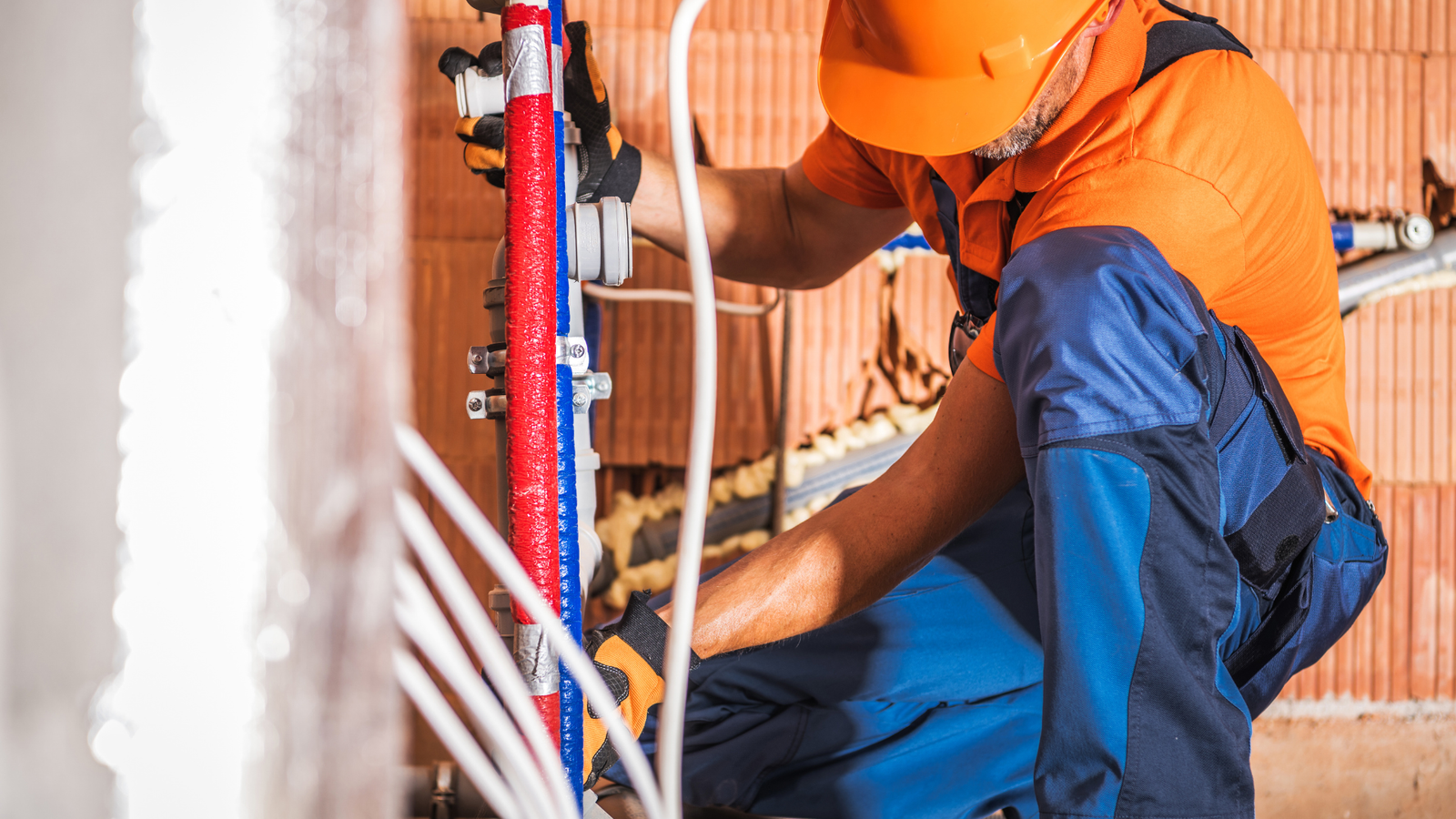
Poor or incomplete evidence is one of the main reasons applications are delayed. for licensed plumbing work. Most licensed plumbers must hold this qualification before applying for a license.
RPL Certification Process Details
The RPL certification process follows a structured pathway designed to ensure fairness and consistency.
First, your eligibility is assessed through a skills review. Then your evidence is collected and submitted for evaluation.
A registered training organisation reviews your documents and compares them against National Standards for vocational education RPL Australia qualifications.
If your experience meets the requirements, you receive a Nationally Recognised qualification.
This process ensures that all RPL qualifications are equivalent to those achieved through formal study.
Benefits of RPL Information and Qualification
Understanding RPL information helps workers make informed career decisions.
One of the biggest benefits is time efficiency. Traditional study programs can take months or years, while RPL can often be completed in a matter of weeks depending on experience.
Another major benefit is cost effectiveness. Since you are not repeating training, the overall cost is often lower.
RPL also supports career growth by helping workers gain qualifications required for promotions and better job opportunities.
In Australia, industries facing skill shortages increasingly rely on RPL training and assessment information to fill workforce gaps quickly.
RPL Qualification Guide Australia
A typical RPL qualification guide Australia includes several steps designed to support applicants from start to finish.
It begins with identifying your experience and matching it to a qualification. Next, evidence is collected and organised. Then assessment is completed by a qualified assessor. Finally, a certificate is issued if all requirements are met.
This guide ensures that candidates understand how to apply for RPL certificate pathways effectively.

Fast Track Qualification RPL Details
One of the key advantages of RPL is the speed of qualification. Many candidates complete the process much faster than traditional study routes.
While a standard course may take 6 to 12 months, RPL can often be completed in 2 to 6 weeks depending on how quickly evidence is submitted and assessed.
This fast track qualification RPL details approach is especially valuable for workers who are already employed and cannot take time off for study.
Australian RPL System Explained
The Australian RPL system explained in simple terms is a method of recognising real world skills as formal qualifications.
It is part of the National Vocational Education Framework and ensures that all qualifications meet industry standards.
This system supports workforce development by allowing experienced workers to gain recognition without unnecessary duplication of training.
It also helps industries address skill shortages more efficiently.
How to Apply for RPL Certificate
Applying for RPL is a straightforward process.
It usually begins with a consultation or free skills assessment where your experience is reviewed. Once your eligibility is confirmed, you are guided through evidence collection and submission. After assessment, your qualification is issued if all requirements are met. This makes RPL information accessible to a wide range of workers across Australia.
RPL Information for Skilled Workers
Many skilled workers in Australia are unaware that they may already be eligible for a qualification. RPL information helps bridge this gap by showing how experience can be formally recognised.
This is particularly useful in industries where workers gain skills through hands on experience rather than formal education.

Frequently Asked Questions (FAQs)
What is RPL in simple terms?
RPL is a process that recognises your work experience and converts it into a formal qualification without studying again.
Who is eligible for RPL in Australia?
Anyone with relevant work experience and skills in a specific industry may be eligible for assessment.
How long does RPL take in Australia?
It usually takes between two and six weeks depending on evidence and assessment speed.
Is RPL recognised in Australia?
Yes, RPL qualifications are Nationally Recognised and issued by registered training organisations.
What evidence is required for RPL?
Employment records, references, training certificates, and workplace proof are commonly required.
Can I get qualification without study through RPL?
Yes, RPL allows you to gain qualification based on your existing experience.
What industries use RPL in Australia?
Industries include aged care, construction, hospitality, electrical, and community services.
What is RPL skills assessment?
It is the first step where your experience is evaluated for eligibility.
Is RPL faster than study?
Yes, it is significantly faster than traditional training pathways.
Can migrants apply for RPL?
Yes, overseas experience can be used if it matches Australian standards.
What qualifications can I get through RPL?
You can get certificates, diplomas, and trade qualifications depending on your experience.
Why is RPL important in Australia?
It helps fill skill shortages and gives workers formal recognition for their experience.

Conclusion
RPL is an important part of Australia’s Vocational Education System.
It provides a pathway for experienced workers to convert their skills into Nationally Recognised qualifications without traditional study.
Understanding RPL information helps individuals make informed decisions about their career progression.
Whether you are working in aged care, construction, or community services, RPL offers a faster and more practical way to achieve formal recognition and improve job opportunities.